Radar sees steel and rain; it does not see the unlit fishing boat, the half-submerged container or the person in the water. Thermal imaging does, which is why a masthead thermal camera is the single biggest night-safety upgrade after radar itself.
The technology to know is the vanadium oxide microbolometer: the FLIR M232's 320 by 240 sensor is the entry point to serious marine thermal, with continuous 360-degree pan and gyro stabilization keeping the image usable in a seaway.
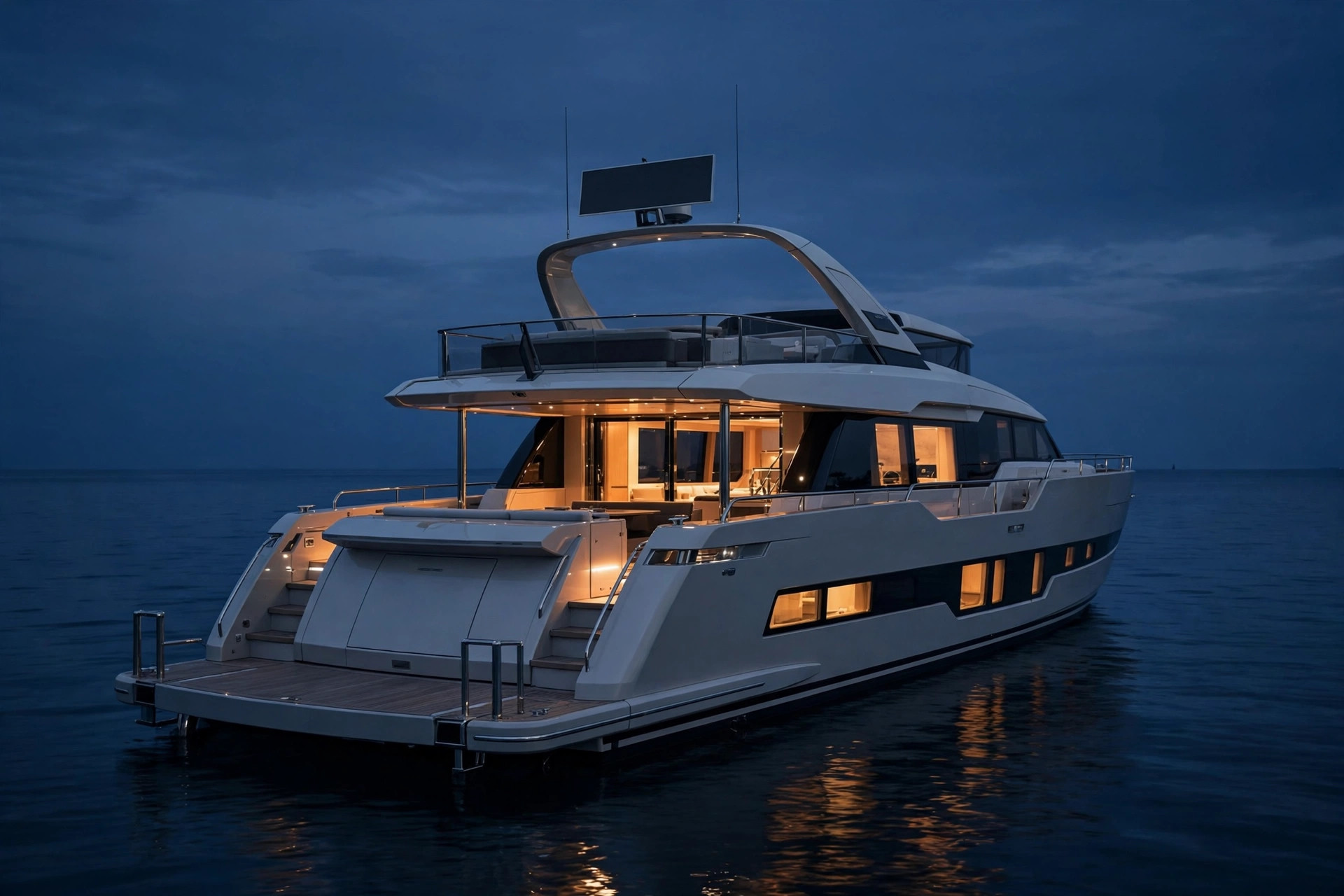
What to look for: stabilization matters more than raw resolution on a moving boat; integration with your existing multifunction displays avoids another screen at the helm; and mounting height determines everything, the higher the camera, the further it sees.
The verdict: if you cruise at night beyond home waters, budget for thermal. It is the watchkeeper's second pair of eyes.
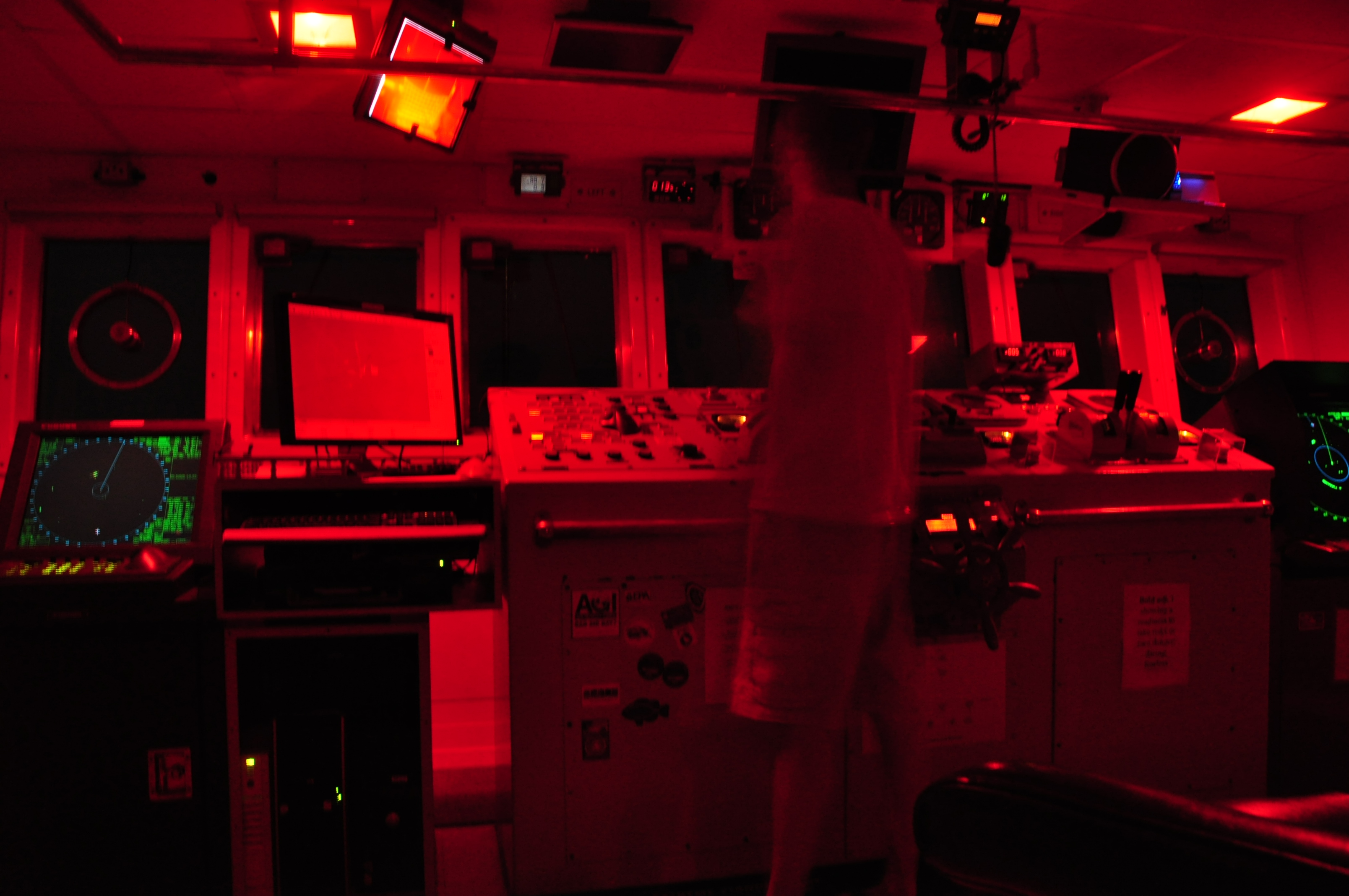
Photography: USEPA Environmental Protection Agency, public domain via Wikimedia Commons